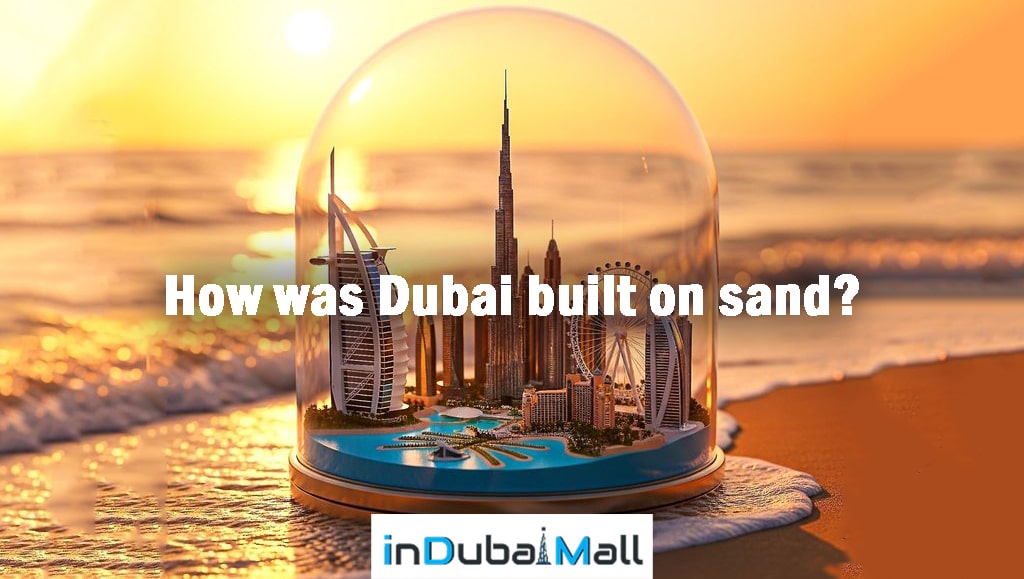
If someone tell you you the tallest buildings in the world were constructed on sand, you might find it funny. But, Dubai went ahead and did it anyway. They created a global marvel that the entire world now examines. Dubai that is a contemporary city famous for its remarkable accomplishments and beautiful skyline, has a rich history closely linked to the Arabian desert sands. The evolution of the city from a simple fishing village to a worldwide center of trade and luxury showcases human creativity and determination. Let’s explore the intriguing tale of how was Dubai built on sand? In this guide on Indubaimall.
Why you can’t build on desert sand?
You can not use sea or desert sand for building your home. These types of sand may look shiny and glossy, but they are too fine and rounded. Using them can compromise the structure. Additionally, sea sand contains salt which is harmful to steel and plaster. In the long term, these sands can negatively affect the durability and strength of your home. Because of the environmental damage caused, the government has taken a strong stance against excessive mining of sand in recent years. But how was Dubai built on sand?
How how was Dubai built on sand?
One of the most remarkable aspects of Dubai before and after change is its creative land reclamation projects. Developers imagined impressive designs to extend the city’s coastline and build artificial islands. Dubai was neither shy nor proud.They welcomed top engineers, architects, and planners from all over. While others focused on “local pride,” Dubai concentrated on learning. Using a careful method that includes dredging sand and silt from the ocean floor, shaping it with GPS technology, and reinforcing the islands with stone, Dubai’s famous landmarks such as the Palm Islands, The World Islands and Burj Khalifa started to form.
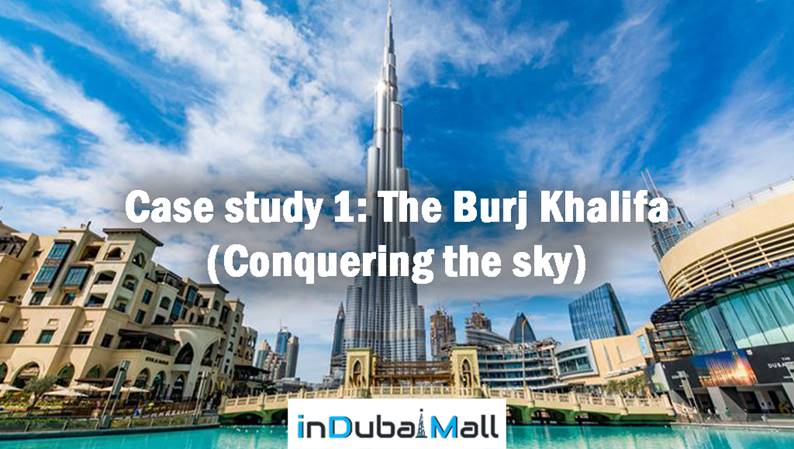
Case study 1: The Burj Khalifa (Conquering the sky)
The Burj Khalifa was constructed on sand by employing deep foundations and precise soil engineering to find stable ground beneath the desert surface.
1. Soil Testing and Planning
Engineers initially performed thorough soil tests. They discovered layers of sand combined with weak rock, which alone could not support a supertall structure. This data influenced the foundation design.
2. Deep Pile Foundations
Rather than resting on sand, the tower is held up by 192 reinforced concrete piles. Each pile measures about 1.5 meters in width and it is driven approximately 50 meters deep, while they are reaching more robust soil and rock layers. These piles safely transfer the immense weight of the building into the ground, safely.
3. Thick Concrete Mat
A substantial reinforced concrete raft is placed atop the piles. This distributes the load evenly and helps to avoid uneven settling in Burj Khalifa structure.




4. Protecting Against Water and Heat
Due to the salty groundwater in Dubai, special concrete mixtures and waterproofing were utilized to safeguard the foundation from corrosion and extreme heat.
Case study 2: The Palm Jumeirah (Conquering the sea)
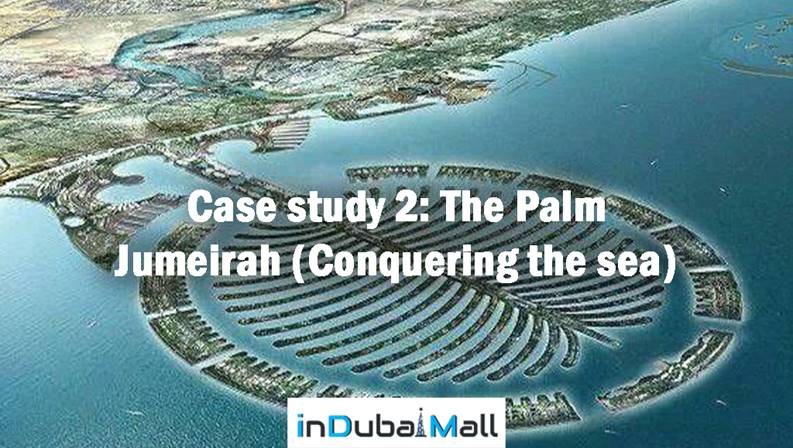
The Palm Jumeirah is one of the most well-known human-made structures on the planet. A massive palm tree, clearly seen from space, constructed solely from sand and rock in the center of the Arabian Gulf. It was not simple to avoide Dubai man-made islands sinking . It required remarkable vision, precise engineering, and a significant amount of sand.
5. The Vision and the Breakwater
Before construction of Palm Jumerah could begin, the island needed protection from the open sea. Engineers built an 11 kilometer crescent-shaped breakwater that were using over 7 million tons of rock from the Hajar Mountains. This massive barrier protects the island from waves and erosion, making it essential for the island’s survival.
6. Dredging and “Rainbowing”
The island was formed using 94 million cubic meters of sand dredged from the deep seabed, not desert sand. Specialized dredging ships sprayed the sand into place while they were using high-pressure cannons, a process called “rainbowing.” This required great accuracy to shape the palm’s trunk and 17 fronds.
7. Stabilizing the Sand
To make the land strong enough for construction, engineers used vibro-compaction. Vibrating probes compressed the sand, while they were creating a stable and durable foundation.
Why does Dubai import sand?
Dubai has extensively used its own sand sources such as marine sand from the Persian Gulf for large projects such as Palm Jumeirah, which has left little for future needs. As a result, Dubai has had to import sand from other countries, including Australia, to satisfy construction demands. Additionally, sand is becoming increasingly rare. Also, by increasing the demand for sand has surged by 360% and it is expected to keep rising because of population growth and urbanization. But Dubai, has limited natural sources of suitable construction sand. Therefore, Dubai need to import sand for city development and constructions.