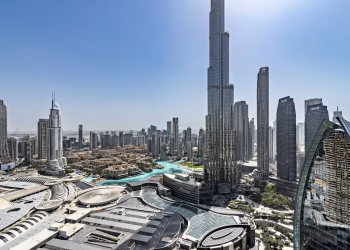
Few cities are as well positioned to host international guests as Dubai. Its location between Europe, Asia and Africa puts a large share of the world’s population within a few hours’ flight, and its airport, hotels and venues are built for scale. That makes the city a natural choice for global conferences, incentive trips, sales kick-offs and leadership summits. Hosting delegates from many countries still requires careful planning, though. Travel logistics, venue choice and cultural awareness all shape how guests experience an event, and getting them right turns a good event into a memorable one.
Getting Guests There Smoothly
Dubai’s connectivity is one of its biggest advantages. Dubai International Airport is among the busiest airports in the world for international passengers, as the overview of Dubai International Airport explains, and it connects the city to hundreds of destinations. For delegates, this often means direct flights and convenient schedules.
Entry requirements vary by nationality. Citizens of many countries can obtain a visa on arrival or enter visa-free, while others need to apply in advance. The UAE government portal provides official information on visas and entry rules. Planners should check requirements for every nationality on the guest list well ahead of time and give delegates clear guidance, especially for groups from countries that need pre-arranged visas.
Ground transport deserves attention too. Dubai has a modern metro system, plentiful taxis and ride-hailing services, but for larger groups, coordinated transfers between the airport, hotels and venues reduce delays and confusion. Clearly signed meeting points, dedicated staff at arrivals and accurate schedules make a strong first impression.
Choosing the Right Venues
Dubai offers an enormous range of venues, from purpose-built exhibition centres and ballrooms to rooftops, beach clubs, museums and desert camps. The right choice depends on the purpose of the event, the size of the group and the experience organisers want to create.
For conferences and business meetings, proximity matters. Keeping accommodation and meeting spaces close together, or in the same complex, saves travel time and keeps energy high. For incentive trips and celebrations, distinctive venues create lasting memories, whether that is a dinner overlooking the city skyline or an evening in the desert under the stars.
Practical considerations should not be overlooked. Check capacity, accessibility, audiovisual capabilities, internet reliability and backup power. Ask about noise restrictions, curfews and any permits required, particularly for outdoor or public spaces. Experienced planners also consider the season, since outdoor venues are far more comfortable in the cooler months.
Related Post
Coordinating all of this across multiple suppliers can be complex, which is why many international organisations work with local specialists. Organisers looking for event management Dubai support, such as the team at Blink Experience, can benefit from a single partner that brings relationships with venues and suppliers, knowledge of local regulations and timelines, and handles logistics, production and guest experience together. A representative of Blink Experience said international clients often underestimate how much local knowledge matters, from permit timelines to the right time of day for an outdoor reception.
Cultural Considerations for a Global Audience
Dubai is a cosmopolitan city with residents from around the world, and visitors generally find it welcoming and easy to navigate. At the same time, it is part of a country with its own culture, laws and traditions, and international events should reflect that.
Dress codes are one example. While attire in hotels and business settings is often similar to that in other international cities, modest clothing is expected in many public spaces, and guidance should be shared with delegates in advance. Public displays of affection, offensive language and certain behaviours can be treated more seriously than guests may expect, so a short briefing on local customs is helpful.
Food and drink planning should accommodate a wide range of dietary needs. Halal catering is standard, and planners should also provide vegetarian, vegan and allergy-friendly options. Alcohol is available in licensed venues, but it is not appropriate everywhere, and its availability should be confirmed with each venue.
Religious observance is part of daily life. Providing quiet spaces for prayer, being mindful of prayer times when scheduling sessions, and adapting events during Ramadan all show respect for guests and hosts. During Ramadan, evening gatherings such as iftar dinners can become a highlight of the program.
Making Delegates Feel Welcome
The best international events combine seamless logistics with thoughtful touches. Welcome packs with local information, emergency contacts and transport details help delegates settle in. Multilingual support can be valuable for diverse groups. Opportunities to experience the city, such as guided tours, cultural visits or local cuisine, add depth to a business trip.
Feedback matters too. Surveys and conversations after the event reveal what worked and what could be improved, helping organisers plan even better experiences next time.
Dubai’s combination of global access, world-class venues and warm hospitality makes it one of the most compelling destinations for international events. With careful planning, cultural awareness and the right partners, organisers can give delegates an experience that reflects well on their brand and keeps people talking long after they fly home.