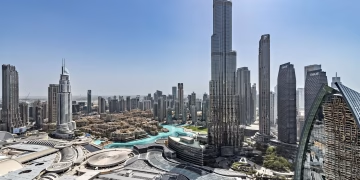
Dubai epitomizes opulence and magnificence, and it is reshaping its skyline with stunning architectural feats and a wealth of attractions. The coastline of Dubai represents not only a remarkable natural feature but also a demonstration of human creativity, as artificial developments offer immaculate beaches and a variety of amenities.
Landmark initiatives such as Palm Jumeirah have transformed the concept of coastal living and generated intrigue regarding the processes involved in the formation of these synthetic environments. The beaches of the city have attracted considerable interest, prompting the inquiry, “Are Dubai beaches man made?” In pursuit of an extraordinary vision to enhance leisure and tourism opportunities, Dubai constructed man-made islands along its shoreline. Let in dubai mall explore the answer to this question in more detail.
Are the Beaches of Dubai Man-made?
Are Dubai beaches man made? Most of the Dubai sea beaches are artificially constructed. This is due to the city’s ongoing expansion, which necessitates the creation of additional beaches to serve its increasing population. Furthermore, these man-made beaches can be tailored to fulfill particular needs, such as ensuring safe and hygienic environments for swimming, sunbathing, and engaging in water sports. One of the primary advantages of artificial beaches in Dubai is the exceptional comfort and convenience they offer. Numerous such beaches feature amenities, including showers, changing rooms, and dining establishments. Consequently, guests can enjoy a full day at the beach without the concerns associated with transportation and logistics.

Which Beaches are Man-made?
Dubai is a city characterized by continuous growth and transformation. It boasts numerous iconic structures and attractions, with its beaches being equally noteworthy. The city has made significant investments in the development of artificial beaches and the improvement of natural ones, striving to enhance the appeal of its coastline for both tourists and residents. Numerous beaches in Dubai are, in fact, artificially constructed. A notable example that the history of man-made beaches in Dubai has revealed is Jumeirah Beach, which is a well-known man-made beach extending several kilometres along the coastline. This beach was developed using sand sourced from the deserts of Dubai and has since become one of the city’s most frequented tourist attractions.
An additional instance of a constructed beach in Dubai is The Beach at JBR. Situated in one of the city’s most frequented tourist destinations, this beach is renowned for its extensive array of facilities and amenities. Guests at The Beach at JBR can partake in numerous activities, including swimming, sunbathing, and engaging in water sports. Bluewaters Island, Jumeirah Bay Island, Dubai Maritime City, Pearl Jumeirah, Dubai Harbour, Deira Islands, the World Islands, Palm Jebel Ali, Marsa Al Arab and Burj Al Arab Isle are all man-made beaches and islands.

Natural Beaches vs. Man-made Beaches in Dubai
Dubai is renowned for its breathtaking coastline, characterized by pristine white sandy beaches, transparent waters, and picturesque sunsets. Nonetheless, a common inquiry among visitors is whether these beaches are naturally occurring or artificially created. Are Dubai beaches man made? Are Dubai’s beach natural or man-made? In Dubai, you can find both natural beaches and man-made beaches, that each one offers unique experiences.

Natural Beaches
Natural forces, including gravity, tidal movements, and the vast expanses of ocean water, play a pivotal role in the formation of beaches in Dubai. The sand that constitutes these beaches primarily derives from the erosion of rocks, a process influenced by natural elements such as water, wind, and sunlight. As a result, fluctuations in weather patterns can significantly alter the features of beaches. A notable illustration of how natural events can reshape coastal landscapes is the devastating tsunami that struck the Indian and South Asian coasts in 2004.




Man Made Beaches

Furthermore, many renowned beaches across Dubai are not solely the product of natural processes; they are man made beaches. The extent of human intervention in beach construction differs widely, all aimed at developing safe, pleasant, and appealing beaches that draw visitors. You may prefer for beaches that are pristine, inviting, and visually appealing. Or you might desire fine white sand and swaying coconut palms. However, when a beach fails to meet the standards of safety, comfort, and aesthetic appeal, it may be taken measures to enhance it. This can involve grooming the area or concealing minor “natural imperfections” through landscaping. In instances where a beach or island is entirely absent, it can be created by man.
Key Dubai Man-Made Beach Developments
Dubai changed from a barren coastline into a vibrant city that is filled with stunning beaches and islands. These man made beaches are highlighting incredible engineering. The main factor in this transformation was the daring concept of land reclamation. Under the leadership of Sheikh Mohammed, Dubai start to produce some of the most famous artificial islands and beaches globally. Are the beaches in Dubai man made? Yes. The creation of famous artificial islands and beaches has significantly changed Dubai’s shoreline. These Dubai man made beach impressive projects have lengthened the coast and added many luxury features and attractions to enhance the beach experience.
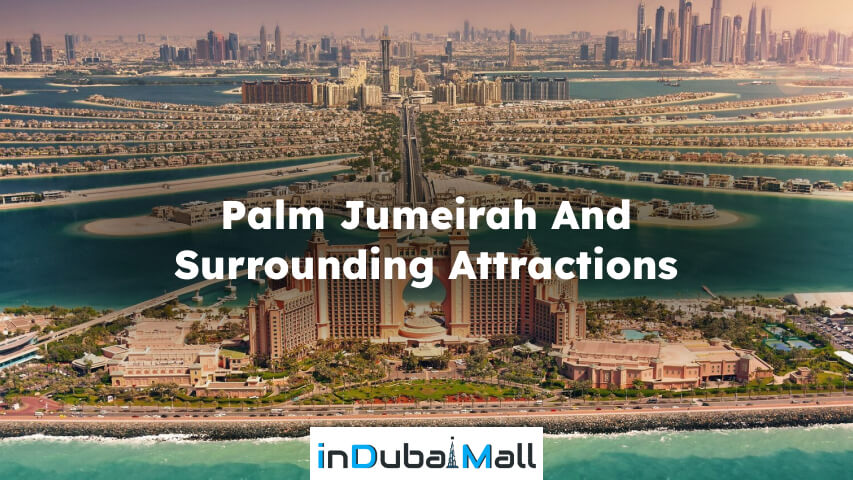
Palm Jumeirah And Surrounding Attractions
Is the beach in Dubai man made? The Palm Jumeirah is one of showcases Dubai creativity, designed like a palm tree with branches filled with luxurious homes, hotels, and fun spots. It attracts many tourists, while it is featuring sights like the large Ain Dubai observation wheel that provides stunning views. The Palm’s main path is lively, filled with restaurants and shops that encourage relaxation and enjoyment.
The World And Deira Islands
The World Islands are a man-made group of islands shaped like a map of the world. At the same time, the Deira Islands have created a large beach area for the city, offering various facilities like resorts and shopping centers. These developments support the Dubai 2040 Urban Master Plan, which focuses on sustainable city growth.
The Engineering Behind Dubai’s Beaches
Is Dubai beach man made? To reduce the local economy’s reliance on oil, its primary income source, Dubai’s prime minister, Sheikh Mohammed, has dedicated the past few decades to enhancing the city’s tourism sector. In June 2001, a major project commenced that was Palm Island (Jumeirah) and, and also tried to wide sandy beaches . The project’s master plan was created by the American architectural firm Helman Hurley Charvat Peacock and is overseen by Nakheel, a real estate company currently owned by the Dubai government. The island was built using reclaimed materials, which included 120 million cubic meters of sand sourced from the Persian Gulf and 7 million tons of rocks taken from the Hajar mountains. Remarkably, the main infrastructure was constructed without any steel or concrete.
To stop the sand from washing away due to the surrounding water, a method known as rainbowing is employed to spray sand and other materials onto the island. To make sure the island was formed exactly as planned, the construction team used satellites and GPS technology to accurately measure and position the building materials. Because the island and Dubai artificial beach being constructed from natural materials, it is particularly vulnerable to erosion caused by the nearby water. To address this issue, the builders added breakwaters around the island’s edge to shield it from powerful waves and harsh winds. These structures are not solid and include gaps to permit water flow, preventing stagnation.
Where Does the Sand Come From?
Even though Dubai is surrounded by deserts, but the sand on its beaches does not originate from the nearby dunes. The natural desert grains are too fine and it was rounded to create stable, long-lasting artificial beach in Dubai. Instead, Dubai sources sand from countries such as Australia, India, and Iran, and also manufactures artificial sand by crushing limestone and granite in large quarries. The crushed stones are then sieved, washed, dried, and occasionally blended with shells, coral pieces, or polymers to achieve the ideal texture, color, and binding. This industrial method, which is closely monitored in laboratories, guarantees that each grain of sand can endure waves, wind, and heavy foot traffic, resulting in the city’s renowned, pristine coastlines.
FAQ: Swimming Safety & Water Quality
When people ask “are Dubai beaches man-made?”, water quality and swimming safety become important considerations. In contrast to natural beaches, these waters can be influenced by nearby residential sewage, industrial runoff, and boat traffic, which might bring in pollutants or oil residues. Authorities ensure safety by conducting regular water quality tests, while they are enforcing strict wastewater treatment, and implementing maritime regulations to reduce contamination. Lifeguards, signs, and monitored swimming areas also help keep visitors safe.
Today, in this article, we reviewed Are Dubai Beaches Man Made. You can also get other useful information on our website such as Wedding Dresses in Dubai Mall, cosmetic shop in Dubai mall, stationery stores in Dubai Mall, Prom Dresses Dubai Mall , bar in dubai mall , furniture shop in dubai mall. Introduce us to your friends on social networks.